


Is Workplace Clutter Holding You Back?
If your workplace feels busier than ever but not necessarily more productive, clutter might be the culprit. From overflowing supply closets and paper piles to chaotic shared drives and break rooms, disorganization quietly eats away at time, focus, and profit every single day. Studies estimate that the average employee spends an hour each day looking for items, information, and coworkers. When you multiply that lost time and productivity across your entire team, your workplace clutter problem is more than just an inconvenience! Why Clutter Piles Up in Businesses Clutter doesn’t usually appear overnight; it sneaks in slowly, one empty binder and 20-year-old plaque at a time. Then, one day, the supply closet is bursting at the seams, and the shared drive has 15 copies of the same presentation. Here are a few of the biggest culprits for office clutter: The ownership gap - That pile of cords, those stacks of old files, the random office chair with one wobbly wheel—they don’t belong to anyone, so no one feels like they have the authority to get rid of them. Turnover trouble - When people move on, change roles, or switch to a remote site, their stuff often stays behind. Old binders, equipment, and even personal items can linger for years, quietly taking up valuable space and hiding what you are actually looking for. Just-in-case thinking - Many items are kept past their prime on the very slight chance that they might be useful someday. That’s why so many companies have closets and cabinets filled with outdated manuals, old technology, broken equipment, and paper files that have already been digitized. Dumping grounds - Breakrooms, supply closets, and empty offices have an almost magnetic pull that draws in office clutter. Need to stash a box of swag for a conference? Don’t know what that charger is for? Did someone move offices and leave a mountain of items behind? Suddenly, your shared spaces are doing more storing than serving your team. Fear of tossing - No one wants to be the one who accidentally throws away something important, so everything stays. That’s why shared drives end up with endless duplicate files and break rooms have an assortment of chipped, stained, and never-used mugs. The risk of tossing the wrong thing can feel scarier than just letting everything stick around. The result is a slow build-up of clutter that eats away at time, space, and sanity until your clutter starts running the show! Clutter Hurts Wellbeing and the Bottom Line Clutter doesn’t just crowd your workspace; it drains your team’s energy, focus, and productivity. Every messy supply closet, overstuffed file cabinet, and chaotic shared drive has a hidden cost. Think about how much time your employees spend searching for things each week: someone hunting for printer paper or the “good scissors,” another trying to remember where the extra batteries are kept, or a manager scrolling through old emails to find the latest version of a document. Each minor delay feels harmless, but they add up to hours of lost focus each day, and that’s time your team could be using to serve clients, collaborate, or innovate. In addition to losing time and productivity, office clutter often results in wasted money. When no one can find what they need, they often end up ordering duplicates of items the company already owns. Our favorite story is the office that purchased three separate label-makers in various attempts to get organized over the years, but couldn’t find any of them until they brought in the professionals! Clutter quietly chips away at morale and focus. Neuroscientists at Princeton showed that messy environments increase stress and cognitive overload and noted that when people “cleared clutter from their work environment, they were better able to focus and process information, and their productivity increased.” When every surface, drawer, and shared folder feels chaotic, it’s harder to concentrate, make decisions, and feel calm at work. It also sends the message to employees that disorganization is normal and that the details aren’t important. The clutter in your workplace doesn’t just affect the people inside your organization; it affects how others see you. When clients, partners, or investors walk into a disorganized reception area or a new hire finds their desk piled with someone else’s folders on their first day, it undermines confidence in your company’s professionalism before anyone says a word. Advice for Getting Started Trying to tackle every disorganized space at once can be overwhelming, so here are a few tips to get you started: Organize a Free Sale: Ask everyone in your office to sort through their workspaces and look for things they no longer need but that might be useful for someone else: Extra staplers, folders, cords, travel mugs, office decor, dry-erase markers, etc. Arrange a location and time for everyone to drop off their excess and then encourage your employees to shop for items they need in their office or home. The remainder can be organized and then either stored or donated. Use our Power Purge: Our process has been tested in thousands of homes and offices around the country. Gather a small team of motivated workers, order some coffee and bagels, and put the Power Purge to work! Tackle one zone at a time: Focus your energy on one supply closet, shared drive, or breakroom at a time. Succeeding at bite-sized projects creates momentum that can lead to real, sustainable change. Label and contain: Clear bins and labels are our most powerful weapon when it comes to fighting chaos. For organizational systems to work, everyone who might need the item needs to be able to quickly see where and how it is stored. Set limits: As you are making your way through the clutter, keep track of the types of items that tend to pile up. Establish retention policies for files, unused equipment, and supplies so that everyone has permission to clear out items once they've been kept for the agreed-upon time. Partner with experts: Sometimes, the smartest move is bringing in an expert with an outside perspective. Your team is busy and you hired them for their specific areas of expertise not their organizing prowess! The Bees can quickly get to work helping you sort and remove items you no longer need, and then build new organizing systems that will work for your entire team. Consider assigning ownership: If possible, designate a person or team to be responsible for maintaining shared spaces once they are organized. If that’s not possible, it might make the most sense to plan on an annual maintenance visit from the Bees. All Workspaces Need Attention It’s not just supply closets, reception desks, and break rooms that need the occasional TLC. Over the years, we’ve organized artist studios, restaurant kitchens and pantries, hair salons, lifeguard shacks, and more. Every workspace, no matter how unique, functions better when it’s organized. Even remote employees can benefit. The National Association of Productivity and Organizing (NAPO) suggests that employers support home office organization to boost productivity and reduce stress. Whether it’s at work, at home, or somewhere in between, clear spaces create clear minds! The bottom line is that a cluttered workspace slows everyone down. When your office is organized, productivity soars, morale improves, and your employees can focus on the work you hired them to do. If your business feels more like a storage unit than a productivity hub, it might be time to call in the Bees!
Learn more
Cheat the Holiday Prep
Every year, we promise ourselves that THIS will be the year we simplify the holidays. The one where the cookies are baked early, the gifts are wrapped with care, and the mood stays merry and bright. And then December happens. Suddenly, we’re knee-deep in wrapping paper with no tape in sight, we’ve lost all but one guest towel, and we watch our To-Do List expand at a furious pace in the days before the festivities begin. This year, let’s do things differently. Let’s cheat. This year, think about what parts of the holidays you love and what parts you can jettison, what menu items you can buy and what you’d rather make from scratch, what tasks you can delegate to others and what you have to do yourself, and what you can do in advance and what must wait until the last minute. Cheating the holidays is about reclaiming your time, energy, and joy. It’s about focusing on what truly matters and letting go of the rest. Cheat the Prep The secret to a smoother holiday season? Do yourself a few favors before the chaos hits. A little preparation now saves you from the last-minute scramble later. Set it and forget it: You can set the table a week in advance (although if you have pets, you might want to keep the dishes upside down until the big day gets closer!) Round it up: Don’t wait until the night before to locate all of your hosting bits and pieces. You can match and wash linens, polish silver, count water glasses, and round up all of the serving utensils weeks in advance. Decide then duplicate: Choose a lovely gift for teachers, neighbors, or hosts this season, wrap several, and keep a stash ready to go. Pick a go-to appetizer: Find one dish that always delights and keep the ingredients on hand. You can quickly whip it up to bring to work events, potlucks, or neighborhood get-togethers. Take photos of your decor: Snap photos of your mantel, tree, or front door so you don’t have to reinvent the wheel each year. Keep a "holiday basics" list: We like to keep a running list on our phone so that nothing crucial slips our mind, like foil pans, paper towels, and as much butter as possible. Get your kitchen ready: There are so many things you can do in advance to help prepare every part of your kitchen for holiday cooking. Revisit our kitchen organization blog for some of our favorite strategies. Stock a gift wrapping crate: Load up a crate with wrapping paper, tissue, gift bags, tape, scissors, tags, ribbons, and bows. Every minute spent putting this crate together will save you oodles of time later! Declutter before you decorate: Make space for the sparkle instead of layering tinsel on top of clutter. Skip unnecessary cleaning: When was the last time you invited a dinner guest into your basement storage room or your bedroom closet? Focus your energy on areas where your guests will actually be! Cheat in the Kitchen You don’t have to cook like you’re on a Food Network special for your holiday to be meaningful. Give yourself permission to simplify, outsource, or just plain cheat a little. No one is going to love you less if your mashed potatoes came from the deli or your cookies started life in the freezer aisle! Share the cooking: Choose one or two signature dishes to make and then delegate the rest. Most people are thrilled to contribute to a holiday meal! Buy pre-cut cookie dough, gingerbread kits, and ready-made pie crusts: You can focus more on the fun part and less on the technical details. We can state with absolute authority that children care more about the color of the sprinkles than whether the cookies were made from scratch. Keep "emergency appetizers" stocked: Whether it’s a Costco-size box of frozen mini quiches, a tub of pimento cheese and a box of the fancy crackers, or some golden goodness you can quickly toss in the airfryer, having emergency apps on hand is a lifesaver. They are perfect for when you run low on food at a party, have people stop by unexpectedly, or you get a last-minute invitation to an event. Decorate with food: Putting peppermints in jars, oranges and cloves in a vase, or cranberries and greenery around serving trays are simple but lovely ways to add some holiday spirit to your table. Take it down a notch: Make the pie weeks in advance and then freeze it. Or buy the pie crust and make the filling yourself. Or buy the whole darn pie. Or ask your cousin to bring it! You don’t have to do it all. Consider disposable plates: Before you immediately reject this bullet point, remember that disposable plates come in all levels of fanciness and price points … and they all save you from mountains of dishes. Just think about it. You don’t have to commit this year. Cheat Expectations The holidays aren’t a performance. They are a gathering of people who love each other, even when things get messy. Imperfect meals are still nourishing, and imperfect joy is still joy. Let "good enough" be great: The napkins do not have to match the table runner. The cookies do not have to look like the photo. Let go of tired traditions: Not every tradition needs to be sustained, so you can keep the ones that fill you up and let go of the ones that drain you. Say YES to help: You do not have to run the whole holiday show yourself. Be open to offers for help (and even to hiring some!). Give jobs to guests: Let the kids set the table or roll the crescent rolls. Ask your uncle to be in charge of answering the door and hanging up coats. People love to be involved in creating the celebration together. Focus on connection over perfection: People remember laughter and stories, not whether the napkins match or the lattice on the apple pie is perfectly golden. Simplify greeting cards: Maybe you can skip sending Christmas cards this year. Or if you do, send a postcard instead of one that needs an envelope. And maybe send New Year’s greetings instead so that you have more time! Streamline your wrapping: Use gift bags instead of wrapping paper and ribbons. Or if you prefer using wrapping paper, consider writing the names directly on the packages in a festive paint pen instead of dealing with tags that often get separated from their packages. The holidays are for connection, not exhaustion. You have our permission to buy the pie, delegate the side dishes, and use the pretty paper plates. You deserve a joyful season that feels doable, not depleting. If you need a hand getting your home holiday-ready, call in the Bees. We’ll help you find calm, clarity, and cheer in every corner of your home!
Learn more
Perfectly Imperfect Gratitude
As the leaves turn and the days shorten, November nudges us toward reflection and gratitude. But let’s be honest: Life isn’t picture-perfect, and neither are our holidays! Gratitude doesn’t require perfection, it’s about pausing to notice the good stuff even when (or maybe especially when) life is a little chaotic. At Bee Organized, we know that gratitude can shine the brightest when things are a little messy, mismatched, or unexpected. So this year, we’ve compiled our list of things that we are truly grateful for: We are grateful for sunshine streaming through the windows … even if it shows off every dust bunny in the room. We’re grateful for mismatched table settings … especially when bringing out the extras means that our table is packed with people we love. We’re grateful for the chance to make Grandma’s “famous” cranberry dish for another year … even if most people politely take just the tiniest spoonful. We’re grateful for leftovers that keep us fed all weekend long … especially when finishing the last slice of pie means we finally reclaim a little counter space! We’re grateful for family piling into our homes … even if it takes a week of cleaning, furniture shuffling, and a lot of Tetris-like creativity to wedge everyone into our space. We’re grateful for board games after dinner … especially when the laughter is louder than the arguments about the rules! We’re grateful for the chance to take a family photo … even if someone we love is missing and someone always has their eyes closed. We’re grateful for each and every holiday we get to celebrate … especially the ones that don’t require wrapping presents. We’re grateful that we finally got those donations dropped off … even though we drove around with them in our trunk for two months! We’re grateful that there are zero calories in desserts that we share with others … especially pecan pie at Thanksgiving. We’re grateful when we find a working pen deep in the junk drawer … even though that means that we still haven’t gotten around to organizing the junk drawer. We’re grateful for pets underfoot in the kitchen … especially when they do an excellent job of keeping the floor clean. We’re grateful for holiday traditions … even when they’re quirky, outdated, or not quite “us” anymore. We’re grateful for road trips to see family … especially when the singalongs, snack stops, and backseat negotiations turn into cherished memories. We’re grateful for a house filled to the brim with laughter and footsteps … even though we’ve started to really enjoy the peace and quiet of our empty nest. And of course, we’re ALWAYS grateful for stretchy pants … especially when it’s time for seconds of mashed potatoes and stuffing. Gratitude doesn’t cancel out the mess. It doesn’t un-burn the overcooked rolls, silence the sibling squabbles, or sweep away the clutter. But it does remind us that even in the chaos, there’s joy worth noticing. This season (and always!), let’s embrace the imperfection and focus our energy on soaking up the good in our lives. We’re grateful each day that we are in the business of serving people like you in every season of your life. If you need our judgment-free, compassionate, and confidential help to sort out your sticky spots, you know you can call in the Bees!
Learn more
The Things That Haunt Your Home
You know those things lurking in the dark corners of your home—the ones you swear you will use someday, but instead they just gather dust and give you the heebie-jeebies every time you notice them? We’re not talking about ghosts or ghouls—we’re talking about the clutter that refuses to leave! From ancient cords to mysterious kitchen tools, from special occasion shoes to the costume your youngest hasn’t been able to fit into since preschool, these items haunt your basement, attic, and everywhere in between like poltergeists. And just like in any scary story, the first step to breaking the curse is to shine a light on what’s really hiding there. This October, we’re discussing the most spine-chilling items that tend to haunt our clients’ houses. We know that what people hold on to is closely tied to their Organizing Profile. (If you don’t know or remember your Organizing Profile, you can take our short Profile Quiz!) Understanding your profile can help you lift the spell these items have over you—and reclaim your space from the ghosts of clutter past! The Space Giver: Keeper of Other People’s Skeletons What haunts you: Boxes of your grown kids’ memorabilia Your neighbor’s motorcycle because your garage is bigger Your sister’s crates “just while she’s getting her new apartment sorted out” Family heirlooms you don’t want but feel bad giving away Why you keep it: You feel guilty saying “no”. Decluttering spells: Set a “pick-up by” date for all of the stored items that aren’t yours. Offer to help your loved ones sort through the items you are storing for them—and to find new homes for the things they don’t want back. Remember that your home isn’t a haunted storage unit—you are allowed to reclaim your space! The Memory Keeper: Haunted by the Past What haunts you: Large-format canvasses Framed pictures Envelopes and cards from Christmases past Special event programs Costumes Special event clothing (wedding guest dress, prom gown) Cassettes, CDs and DVDs from yesteryear Sentimental hats and event T-shirts Entire sets of china or dishes Yearbooks Why you keep it: Every item feels like it holds a piece of the past—and getting rid of it feels like erasing the memory. Decluttering spells: Keep one talisman from a set—for example, hold on to one teacup instead of the whole china set. Snap photos of sentimental items so they can live in the cloud instead of your attic. Display only what you truly love and donate the rest to a good home. Create a memory box with a defined limit (one crate or one shelf). This lets you honor the past without drowning in it! The Money-Minded: Cursed by the Cost What haunts you: Unused exercise equipment Hobby supplies like craft kits, art materials, musical instruments, sports gear Kitchen gadgets Expensive makeup and beauty products Jewelry Things that are too valuable to use—like special glasses or dishes Special occasion clothes that no longer fit Why you keep it: Throwing it away feels like throwing money away. Decluttering spells: Remember that money is a sunk cost—so keeping the item doesn’t get the money back. You can sell high-value items to recoup some of the cost. Flip the script! Remind yourself that space has value too. Keeping things you don’t use is like paying rent to store ghosts. The Just-in-Caser: Prepared for the Zombie Apocalypse What haunts you: Expired medications and vitamins Duplicate appliances Condiment packets Storage containers without lids (and lids without storage containers!) 17 contact lens cases Stacks and stacks of instruction manuals Office supplies Extra screws and allen wrenches Vacuum attachments you’ve never even tried to use Why you keep it: "What if I need it someday?" Decluttering spells: Store things at the store—and don’t buy them until you truly need them. If you can replace the item for less than $20 or in less than 20 minutes, you don’t need to keep it. Keep a reasonable limit on duplicates (do you really need 48 extra lightbulbs?) Remember: In the event of a Zombie apocalypse, extra potato mashers won’t save you anyway. The Acquirer: Victim of the Siren Song of the Sale What haunts you: Decorative seasonal items Reusable shopping bags Cleaning supplies Gardening pots and containers Cute packages of themed food (like pumpkin-and-ghost-shaped pasta!) Clothes you never wear Why you keep it: The thrill of acquiring is addictive and every deal feels too good to pass up. Decluttering spells: Ask yourself: Would I buy this again at full price today? Pause before buying to allow the spell to wear off. If the item still calls to you after 24 hours, consider buying it—otherwise, let it fade into the mist. The Crammer-Jammer-Stacker: The Master of the Monster Closet What haunts you: Mystery cords Piles of office supplies Half-used candles Seasonal decor that never gets displayed Vases Receipts and old paperwork Office supplies Water bottles and coffee tumblers Pillowcases from sheet sets you threw away long ago Why you keep it: Out of sight, out of mind—until the closet door bursts open in the middle of the night! Decluttering spells: Empty one hidden space at a time—you’ve got to face your monster head on! Use clear bins with labels so nothing can hide from the light. If you haven’t used it in a year or more, it’s not worth keeping in the dungeon. The Aspirer: Bewitched by the Someday Self What haunts you: Unopened art supplies Musical instruments you’ve never learned Exercise gear for a routine you never started Golf clubs Unread books Specialty baking pans and kitchen appliances Stack of cookbooks for cuisines you’ve never made Why you keep it: The items represent a dream or version of yourself that you want to be someday. Decluttering spells: Keep only the supplies for one active project or hobby at a time. Donate or sell items for hobbies and activities you’ve lost interest in—let them enchant someone else! Create a future wish list instead of stockpiling items you may never use. Clutter has many disguises—nostalgia, guilt, just-in-case thinking—but the end result is the same: Your home feels more like a haunted house than a haven. By understanding your Organizing Profile and why you keep the items you keep, you can banish the fear of getting rid of what’s haunting you and make room for the life you want now. And if the clutter feels too scary to face alone … you know you can call in the Bees!
Learn more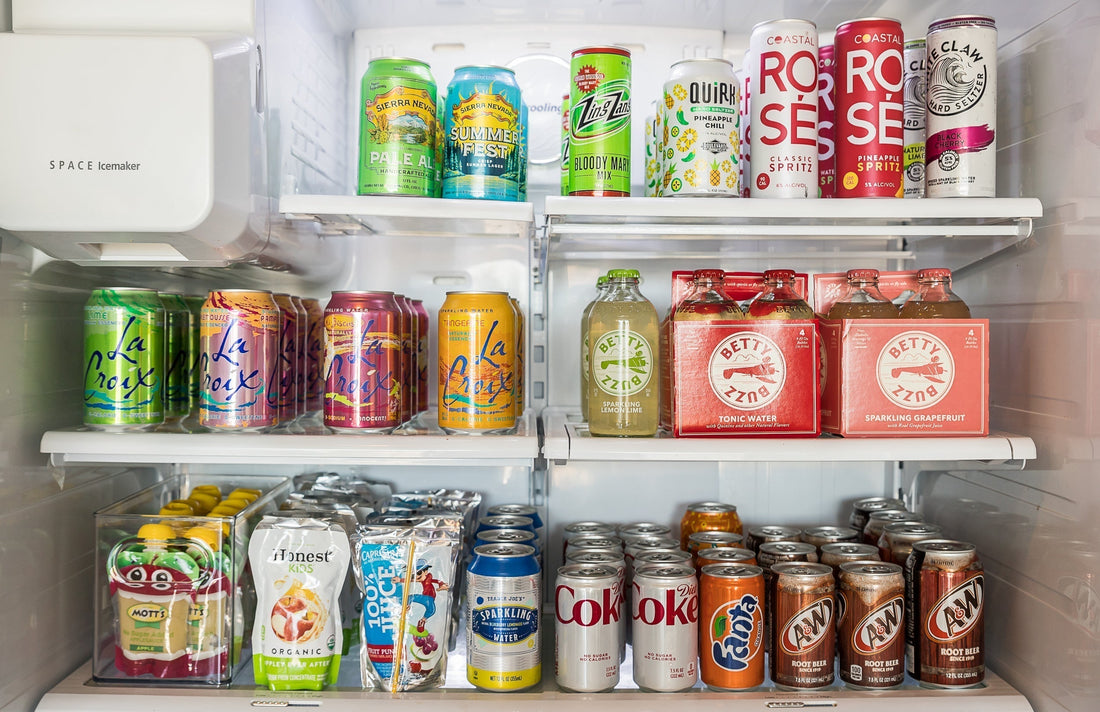
The Ultimate Guide to Fridge & Freezer Food Storage
This spring, the Environmental Protection Agency released its latest estimates of how much food Americans waste each year. According to their research, the average family of four spends $3,000 per year on food that ends up in the garbage. For every three grocery bags you carry into the kitchen, one of them ends up in a landfill. Ouch! The good news is that the overwhelming majority of this wasted food and money is within our control. A chaotic fridge and freezer makes it harder to track what you have, easier to buy unnecessary duplicates, and much more likely for you to forget about food until it’s covered in fascinating mold specimens. We have advice on how to whip your refrigerator into shape—and how to change your behaviour surrounding food so that you can make the most of your grocery budget! But First—Purge and Wipe Every successful fridge reset starts with a clean slate! Take everything out of your fridge and freezer, arrange it by type on your kitchen counter, and toss out everything that is obviously spoiled, expired, or just plain unrecognizable. Then, wipe down each shelf, wall, and drawer. It sounds so simple, but depending on how long you’ve let it go, this could take an hour or more, so pop in some high-energy music or your favorite podcast and get to work. When it’s clean, line the bottoms of drawers with paper towels so that your next clean-out goes more quickly. Organize for Visibility The golden rule of refrigerator organization is that if you can’t see it, you won’t eat it—and that’s how good food goes bad. Here are a few of our favorite tips for keeping the fridge organized: Make an EAT FIRST shelf or bin—This is where you should place leftovers and any items reaching the end of their lifespan. Make sure it’s clearly labeled and in your direct line of sight! Create and label zones—Group similar things together so that you can see what you have, avoid buying duplicates, and reduce time searching endlessly for ingredients. In the fridge, consider zones for condiments, easy-to-grab snacks, dairy, beverages, fruits/veggies, and meal prep ingredients. In the freezer, we often start with zones for fruits/veggies, sweets, proteins, pre-made meals, and grains. Label everything—How many times have you put something in the freezer and think you’ll remember what it is only to find it two months later and think you’ve never seen it before? Make a rule for yourself that you can’t stick anything in the fridge or freezer that isn’t labeled. We like to keep a roll of masking tape and a Sharpie near the fridge. Just be sure to stick your label on the side, not the top, so that it’s easy to spot. Use clear glass containers—We rarely urge you to buy a bunch of new organizing products when so many of the things you already own can be repurposed. But if you don’t have clear glass bins or containers for fridge storage, they are worth every single penny. You will quickly recoup any money you spend on clear bins with less wasted food! Freeze bags flat—Whether it’s leftover soup, pureed tomatoes from your summer harvest, or bags of frozen veggies, freezing items flat will save space in your freezer and allow you to see what you have immediately. Lengthen Your Food’s Lifespan Another way to reduce your family’s food waste is to help your items last as long as they can! Here are a few pieces of advice that you can put into action: Manage your temperature—According to the FDA, our freezers should be set to 0℉ and our refrigerators should be set to 40℉ or below. If you suspect your fridge isn’t keeping your items as cool as it should, you can pick up an appliance thermometer for less than $10 at a home improvement or big box store. Lower shelves tend to be cooler, so that’s where you should keep your meat and dairy products. And the temperature of the door fluctuates the most, so that’s a great place to store things that aren’t too fussy, like condiments, pickles, nut butters, and non-dairy beverages. Preserve your herbs—Fresh herbs are such a delight, but since we rarely use an entire container for one recipe, they are at the top of the list for items that are lost in the fridge and then ultimately wasted. For fresh herbs, either store them in a glass of water in the fridge like a bouquet of fragrant flowers or roll them in a damp paper towel and seal in a freezer bag. Use mason jars with airtight lids—Remember that oxygen is the enemy of food preservation. The more airtight your containers are, the longer your food will stay fresh. That’s why leftovers stored in a glass jar with a reusable airtight lid will last significantly longer than something stored in a zipper bag or container with a loose-fitting lid. Stock from the back—When you unpack groceries, make sure you take the extra minutes to tuck new items behind the older items in your fridge or freezer, rather than just shoving them wherever you can fit them in the front. If you just bought a new box of 12 yogurt cups from Costco, make sure each and every one is tucked behind the 3 cups you still have left from your last trip. Prevent the squish—Damaged food spoils faster, so hang on to a few clamshell containers from spinach or berries—they’re perfect for protecting delicate items like peaches that come home in a produce bag and would quickly bruise in the mosh pit of your fridge. Manage humidity—Things that like to wilt dramatically (think leafy greens, carrots, and cucumbers) need high humidity to stay fresh. Either keep them wrapped up or put them in a high-humidity produce drawer in your fridge. Keep things growing—If you’ve got a sunny spot in your kitchen, use it to keep your greens growing. If you’ve got the root ends of green onions, celery, or even romaine lettuce, pop them in a glass with an inch of water and set it on your kitchen counter. Change the water every day or two and you’ll be amazed to see fresh growth appear—ready to snip and enjoy as needed! Use Every Last Bit A little creativity goes a long way when it comes to using up odds and ends in your fridge and panty. Here are a few of our go-to methods: Second chance meals—Miscellaneous leftovers of protein, vegetables, and cheeses are the perfect addition to pastas, soups, omelettes or frittatas, and sauces. These everything-but-the-kitchen-sink dishes often turn out to be family favorites! Smoothies—The last big spoonful of yogurt. A couple of inches of orange juice or milk in the bottom of the jug. The browning banana on the counter. The six strawberries someone didn’t eat from their packed lunch. We love the flexibility of smoothies for making delicious treats out of things that are just taking up space or on their last legs! Croutons—Stale bread makes AMAZING fresh croutons. Take whatever you’ve got—whole wheat, bagels, sourdough, hot dog buns—and cut it into one-inch cubes, saute the cubes on medium heat for 10-15 minutes with a couple cloves of garlic, salt, and butter or olive oil, and you will be shocked at how utterly delicious croutons can be! Herb ice—Dice leftover herbs, tightly pack the herbs into ice cube trays, add water or olive oil, freeze, then toss the frozen flavor cubes into a freezer-safe bag or jar. Don’t forget to label them! Now you’ve got a wonderful flavor boost you can add into soups and sauces all year long. Keep a USE IT UP list—Keep a dry-erase board and marker near the fridge. Keep a running list of items that you’ve only partially used or will soon expire so that you remember to use that half container of feta or the rest of the cilantro before it winds up in the garbage! Shop Mindfully Shop from a list, not from your heart (or stomach!). Keep a grocery list in the kitchen and make sure everyone who lives there knows to add items to the list when they run low or run out. Knowing exactly what you need when you go to the store (rather than just guessing) keeps you from buying the fifth jar of mustard just in case. Reset weekly—We’ve talked before about the importance of a Weekly Reset in your kitchen. If you are doing this, you will know how many meals will need to be prepared at home and how many people will be eating at each meal. Are you hosting any guests this week? Are you eating any meals out? Will any of the meals in your plan create ideal leftovers? Having a finger on the pulse of what you can expect each day will help you only buy the groceries you need when you shop. One Last Thing… It may not be glamorous, but if your fridge feels like it’s working too hard—or isn’t cold enough—it might be time to check the coils. Pet hair and dust bunnies can clog airflow. Give the coils underneath or behind your fridge a quick vacuum so it can keep your food cooler for longer. If this sounds daunting to you, watch a YouTube video or two first! A clean, organized fridge and freezer is one of the most underrated ways to save time, money, and stress in your week. It means fewer wasted groceries, more delicious meals, and the confidence of knowing exactly what you have on hand. You’ve got this! And remember—if your fridge project turns into a whole-kitchen project, you know you can always call in the Bees!
Learn more
BEEing Productive: How to Manage Your Tasks and Time
Most of us have a love/hate relationship with To-Do Lists. A good list can help us make the most of our days, but a disorganized list can be so overwhelming that we are paralyzed and get nothing done. Remember that good task and time management isn’t about doing everything! It’s about doing the right things at the right time in a way that actually works for you. Our goal is for you to be intentional about how you spend your days—not just react to what comes up—so that you can prioritize what matters the most to you. Getting your To-Do List and calendar organized will help you make better decisions, carve out space for the people and activities you love, leave behind guilt about unfinished tasks, get more done in less time, and give you permission to say NO to excessive demands on your time. Why We Struggle With To-Do Lists While most of us agree that a To-Do List is a helpful way to keep track of tasks, the struggle of managing it is real. Sometimes the problem is that the list is so long that it’s demoralizing to even make eye contact with. Sometimes the problem is that you have an abundance of lists—on your desk, in your planner, on a sticky note, on a napkin in your purse, in your phone, and in an email to yourself. Or maybe the items on your To-Do List feel random and semi-optional, so you just keep moving them from list to list without ever actually getting them done. Read on for our best strategies for taking charge of your tasks and time! Strategies for Managing Your TASKS Prioritize your list—Some things matter more than others, so make sure the most critical items are at the top. Many task-management apps give you the option of assigning an importance level to each task. Follow the two-minute rule—If the task takes less than two minutes to complete (think sorting the mail or RSVPing for an event), don’t waste your time writing it on your list. Just do it. Categorize your list—Putting everything from all of the hats you wear onto the same list is overwhelming. Think of ways to categorize your tasks so that they make sense to you. Does it make sense to divide items between personal and work? Or to divide personal items between home projects (upkeep, repairs), people (birthday presents, communication), travel (bookings, planning), or other groupings? Keep tasks small—Don’t write Paint bedroom on your To-Do List. It’s waaaay too big and will never get done. Break down larger projects into bite-size pieces. Instead of Paint bedroom, maybe your list would include Remove items from walls, Buy drop cloths, Cover or move furniture, choose paint color, etc. Clearly outlining steps in a bigger project makes it easier to picture the entire process and therefore easier to accomplish. Give everything a due date—Even if it’s just an estimate, having a deadline for when tasks should be finished can prevent headaches (and late fees and missed opportunities) in the long run. Use verbs—Items on your list should be written with a verb to help you quickly remember the task precisely. For example, writing Vegetable garden on your list isn’t as useful as adding a verb like Fertilize, Water, Weed, or Harvest. Estimate times for tasks—Next to each item on your list, estimate how many minutes/hours the task will take. This makes you more likely to jump into a task and gives you a more realistic understanding of how much you can accomplish in a day. Batch similar tasks—Every time you switch between tasks or projects, your brain needs time to catch up and adjust. If several items on your list are similar in nature, doing them in the same block of time can help you be more efficient. Watering all of your house plants at one time is more efficient and takes up less mental space than watering a couple of plants each day. Reset Weekly—We’ve long championed the idea of a Weekly Reset to keep your home and calendar managed. Think through the tasks and calendar events for the week ahead so that you minimize last-minute scrambles. Try a method or app—Don’t be shy about trying one of the many methods for managing your tasks. Some folks swear by the 1-3-5 method, which prompts you to attempt to accomplish one big task, three medium tasks, and five small tasks each day. Others keep a Primary List where they keep track of everything that needs to be done, but then select a few items each morning for their Daily List. And check out task management apps or software that might be a good fit for your needs. Strategies for Managing Your TIME Block your time—Divide your day into set chunks of time and assign specific tasks or types of work to each block. Instead of reacting to your To-Do List throughout the day, you can plan in advance when you’ll tackle certain responsibilities. Treat your time blocks like appointments so that you can protect the time from distractions and overbooking! Create themed days—Reserve certain days of the week for specific types of tasks. For example, maybe you pick a specific day to run all or most of your errands. Or maybe you dedicate Mondays and Thursdays to catching up on email and working through small items and the other days for projects that require deep thinking. Protect buffer zones—Try setting your default meeting times to 25 or 50 minutes instead of the usual 30 or 60. Building in a few extra minutes between meetings helps reduce stress, giving you time to switch spaces, manage quick needs, and get organized for what’s next. Schedule pre-and post-meeting blocks—Many meetings require time before and after to be truly productive, whether it’s reviewing documents, preparing your thoughts, taking notes, or following up. Don’t forget to schedule that prep and wrap-up time directly in your calendar. Color-code—If you use a Google or other digital calendar, use colors to divide between categories (family, work, appointments, etc.) or to divide between family members so that you can better understand what your day looks like at a glance. Reset Weekly—As we mentioned above, schedule a time for yourself to reset your calendar each week. You will be so much more ready to handle whatever curveballs life throws at you if you have a clear understanding of what is already planned each day. Try a method or app—There are a multitude of time-management and calendar methods and apps. One favorite is the Pomodoro Method, which asks you to select a task, set a timer for 25 minutes, and work on the task without interruption until the timer rings. Take a five minute break to move your body, and then repeat the cycle. After four work sessions, take a longer break. The method encourages focus because you work in short, dedicated sprints while building in rest time to prevent mental fatigue. You need realistic, workable systems that serve you and that reinforce your values and goals. Think about your life and what matters the most to you—and make sure that you see those things show up on your To-Do List and your calendar. Do you value giving back to the community? Then schedule weekly volunteering. Did your doctor advise you to get some exercise most days? Pick the most likely time that will work for you and get it in your planner! Do you wish you kept in better touch with people? Timeblock a couple of hours each week just for sending emails or Zooming with loved ones. You don’t need a perfect system—you just need one that supports the life you want to live. So take some time this week to look at your list and your calendar. Is what matters most to you showing up there? If not, it’s time to make some space. And if you ever feel stuck or overwhelmed, you can always call in the Bees!
Learn more
Organizing as Self-Care? Yes, Really.
We know that much of the time and energy that our clients spend organizing is in service to the entire household. Whether you are reorganizing your garage, getting ready for the holidays, or preparing for an epic family road trip, so much of the organizational work that you are doing is to support everyone else. And that is perfectly fine and often necessary. But today, we are here to tell you that every so often, you need to turn your organizational energy toward something that benefits just you. People often think of self-care as something extra—a luxury we squeeze in when the rest of the To Do List is checked off. But self-care doesn’t always take the form of a bubble bath or a spa day. Sometimes, it’s carving out a little bit of time to think about those small spaces that have an outsized impact on your day-to-day life. Organizing the spaces that serve your unique routines can help you start and end the day with more peace and less friction. It’s not selfish to organize a space that only you use. It’s restorative. It’s empowering. And it’s long overdue. Bite-Size Ideas for Caring for Yourself The goal is NOT to exhaust yourself in order to care for yourself! Instead, pick a few very small projects that have a significant effect on your daily routines and wellbeing. Focus on easy, small spaces that bug YOU the most—that affect YOU rather than the other people who live in your home. What could you do with that spot with a few minutes of your time and a little bit of self-compassion? Nightstand—It’s one of the last things you see before you sleep and one of the first things you see when you wake up. But is it both functional and peaceful for you? Get rid of everything on your nightstand that doesn’t serve you, and then gather and organize the things that do. Perhaps you could stock a little basket with hand lotion, lip balm, a notepad and pen, a sleep mask, ear plugs, melatonin, and anything else that suits your individual needs. Maybe if you took away the clutter, there would be space for something that calms you, like a framed photo or scented candle. Bathroom Counter or Vanity—This is another space where you begin and end your day, so why not have it intentionally serve you? Toss any products that you rarely use and return anything that doesn’t need to be there to its home. Decide what would work best to keep your most-used items contained but accessible—perhaps a drawer insert, clear bin, or small shelf. If you have the space, add a small touch (or two!) that helps you start your day on the right foot, whether it’s a little potted plant or your favorite quote taped to the mirror. Coffee or Tea Station—Whether you prefer a steamy mug of Earl Grey, a plain cup of Joe, or an elaborate concoction of sweeteners and creamers, your coffee/tea station should feel like a morning gift to yourself. Toss or donate travel mugs and coffee cups that you don’t love, use, or need, and relocate anything that doesn’t belong. Use a tray, drawer, or cute bin to store all the bits and pieces—coffee, tea, sweeteners, stir sticks, filters, and more. Add something that is meaningful to you, such as a sugar bowl from your grandmother’s tea set or a tiny vase of flowers. When everything is in its place, your daily ritual will feel less rushed and more restorative. A Cozy Reading Nook—This one might take a bit longer to pull off, but if you are a reader, this is worth the effort! Look around your home for an under-utilized corner or nook that you could claim as you own. All you need is space for a comfy chair, a small side table, and a lamp. If you want to go all out, add a shelf or two for your favorite books. If you don’t want to take this splurge too far, Facebook Marketplace is a wonderful resource for affordably sourcing your missing pieces. Other Spaces Just for You—Maybe what really needs tender loving care is your desk, your purse or bag, the driver’s area of your car, or your underwear drawer. Whichever space you decide to improve for yourself, follow the same general process as our examples above: 1) Remove all of the items that don’t serve you in that space; 2) Organize the remaining items in a way that is tailored to how you use the items; and 3) Add one or two things that bring you a sense of joy or peace. If you’ve flown recently, you’ll remember the flight attendant saying that if the oxygen masks drop, make sure you put your own mask on first so that you are able to help others. The same principle applies to your organizational life. Giving yourself a few spaces that work for you instead of against you will give you more time, energy, and patience throughout the day to handle setbacks and help those around you. Pick one drawer, one nook, one tiny corner of your day-to-day life that could use a little love. Remove what doesn’t serve you, organize what does, and add a dash of joy for good measure. And if you need help along the way, you know you can call in the Bees!
Learn more
Organizing Your Outdoor Oasis
Sidewalk chalk. Water balloon battles. Pool floaties and tennis rackets and sand boxes and ball gloves and endless giggles and the smell of sunscreen. (Oh—and mildewing towels and leaking goggles and missing croquet mallets too!) Summer is officially upon us—and we’ve rounded up a few of our best ideas to help you tame the summer chaos to maximize FUN! We’ll start with our advice on how to get started, give you some general principles to guide your work, and then describe a few of our tested strategies for wrangling the backyard buzz! But First—Whittle Down Your Excess It’s a waste of your time, energy, and storage space to organize and stash things that you no longer use, need, or love. Take a hard look at your backyard, shed, decks/patios, garage, and other outdoor areas that have accumulated extra items. If your summer gear primarily lives in the garage, our garage decluttering blog post can help you think through the process of organizing that space. It’s hard for kids (and us!) to see past the clutter, so take the time to ditch those old bike helmets, the too-small roller blades, the broken tennis racket, the rusty lawn chair, and the stack of flattened cardboard boxes. Using our famous Power Purge can help you manage the whittling down process one step at a time. General Principles Everyone’s idea of an outdoor oasis is unique to their family, home, and climate. Rather than a detailed prescription of what you should do, we’ve described below a few principles that we use to guide our outdoor organization. Use the ideas that make the most sense for your situation and dismiss the rest! Make it easy—Time spent outdoors is good for everyone. Outdoor time deepens sleep, improves mood, increases muscle strength and the immune system, and reduces anxiety and depression! Our job is to knock down as many hurdles as we can for getting outside. Many of our ideas in the section below are designed to make it quicker and easier to jump into outdoor fun. Prioritize intentional play—Rather than leave every possible toy and activity out in the yard at all times, consider establishing the routine of rotating through activities. Take one or two activities out at a time, and then put them away before moving to the next activity. Having everything out at once can be really overwhelming for kids, so rotate those activities to keep them both manageable and exciting. Support autonomy—Store kid stuff low enough to reach and in easily accessible places. If you are using crates or bins, make sure they don’t get too heavy for little arms. If you are using a labeling system, your kiddo might do better with pictures instead of words. Or maybe use clear storage totes so the littlest kids can see what fun is hiding inside! Give everything a home—The key to success is giving every item a designated spot. When everything has a home, it’s easier to find what you need—and easier for kids to help with cleanup. Try creating specific zones, bins, or hooks for different types of toys so everything is visible, accessible, and simple to put away. Our Favorite Ideas We’ve compiled below a few of our go-to ideas for organizing summer fun. As you think about what works for you, prioritize those things that will reduce obstacles for your crew to get off their screens and get outside! Keep a well-stocked relief station—Use a small bin, shower caddy, or basket to build a portable relief station. Stock it with bug spray, sunscreen, bandaids, wet wipes, hand sanitizer, hair ties, and even a snack or two. Having an easy way for kids (and you!) to meet a few basic needs can extend your time outside. Put it on wheels—We love rolling carts for driveway and patio play. Swap in and out favorite activities and make clean-up afterwards a breeze. Even a garden wagon can be awesome for giving kids the boost they need to easily bring out and return their toys. Make it easy to grab and go—We’ve found storing some of our favorite activities in grab-and-go kits makes it simple to get the fun started! Think about containers for sidewalk chalk, bubbles, water balloons and blasters, plastic tea party dishes, and other toys that can survive the great outdoors. And don’t forget YOU! Think about making yourself a grab-and-go kit too. Perhaps it’s a few most-needed gardening tools so you can get some trimming or weeding done while your kiddo is occupied? Think about storage options—As always, we recommend trying to repurpose something you already have before running out and buying more stuff to organize your stuff with! What combination would work best for your family? A waterproof chest for the patio? A large garbage can with wheels for all of your many bats and balls? Stackable storage crates for your grab-and-go fun? Use a separate hamper—It’s so helpful to have a place to toss all of those swimsuits, sandy towels, chalky shorts, grass-stained socks, and clothes reeking of campfire smoke and bug spray. Keep all of these items from mixing with your regular laundry by having a separate basket or bin in your garage or laundry area this summer. Just make sure it’s both plastic and ventilated! Summer should feel joyful, not chaotic—and a little organization can go a long way in making that possible. By taking the time to simplify your gear, create systems that work for your family, and make outdoor fun more accessible, you’ll set the stage for more laughter, more memories, and fewer meltdowns! And if you ever need help organizing your outdoor oasis, you know you can call in the Bees.
Learn more

The Psychology Behind Clutter
Over the years, we’ve found that clutter and disorganization in a home is often a source of embarrassment for our clients. It’s time to change that mindset! You are not defined by your messy pantry or the garage you can’t fit your car into. Most of us have an abundance of reasons why we haven’t gotten a handle on our clutter (yet!)—whether it’s time, ability, a family member who tears through freshly organized spaces like a tornado, or one of many psychological reasons for holding onto the clutter. In this blog, we unpack five of the most common psychological causes for accumulating clutter and share helpful strategies to move past them. Fear Fear is one of the biggest obstacles to letting go of excess items. Many people worry that getting rid of items with sentimental value will cause them to forget the past. Others fear that if they part with an item, they will eventually regret their decision. This fear of future regret can paralyze a person as they are attempting to clear out the clutter. Another way that fear shows up in decluttering efforts is when people are afraid of what other people (both living and those no longer with us) will think about our choice to part with an item. Understanding what you are afraid of is the first step in figuring out how to navigate this extremely powerful and controlling emotion. Sentimentality Objects can hold sentimental value even if you no longer want or need them. Maybe you are holding on to an object not because you love it, need it, or use it, but because you simply remember where you got it. Or maybe you have something that is broken beyond repair—but because a loved one gave it to you, you feel like you should keep it. But would the person want you to hold on to the broken thing? Will you really lose your memory of the person or your connection with them if you get rid of it? Are there ways to hold on to the memory of the person or the experience (perhaps through photos, conversations, or journaling) that can strengthen the memory without taking up space? Remember that the past is stored in memories and photos—not objects. Safety and Comfort Most people have a strong psychological pull towards safety and comfort—and some of us focus on objects as the source of that safety and comfort. This sometimes stems from childhood scarcity, or even just hearing stories about the scarcity experiences of others. You can see this play out when people have extras of seemingly everything on hand, including items that would be a stretch to need multiple versions of. For these folks, it feels like a risk to get rid of something you might need in the future. What if there is another pandemic and you need 700 rolls of toilet paper? What if you suddenly lose or gain 10 pounds and need those clothes that haven’t fit in a decade? It’s okay to have a cushion to make yourself feel secure, but if your extra things are making it impossible to make room for the people and activities you love, it might be time to let go of the excess. Indecision and Procrastination Think about decisiveness as a continuum. On the one end, you have people who quickly make a judgment on something and then never look back. On the other end, you have people who hem and haw about every last decision. Perhaps they are writing extensive pro and con lists—or maybe they are just refusing to make a decision. Clutter is often just a sign of indecisiveness. Instead of making a decision, you just put the item in your closet or shove it back in a drawer. Do you have any DOOM piles in your home? DOOM stands for “Didn’t Organize, Only Moved.” These are stacks of papers or a box of items that you move around, but don’t actually confront. The first step toward handling your indecision is understanding that your indecision is what’s stalling your progress! Bring in a trusted (and opinionated!) friend to sit with you and help you sort through your stuff. Use our tried-and-true method to help bring clarity to what you should keep and what you can let go. Depression and Anxiety While most of the psychological reasons we’ve discussed so far are common and not concerning, it is important to note that sometimes an inability to deal with clutter is caused by depression, anxiety, and other more serious conditions. If that sounds like that might describe you, we encourage you to show compassion and care for yourself by reaching out to a trusted professional. As you think about where you are in your organizing journey, we hope that learning about the psychology behind the clutter will help you self-reflect—and then make an action plan. And if you ever need help simplifying your Hive, you know you can call in the Bees!
Learn more

The Sweet Rewards of BEEing Organized
Not a day goes by that we don’t see or hear about some sort of trendy new life hack. But we know that we have the ULTIMATE life hack—the process and habits to help you live an organized life! The research is in and it’s crystal clear that getting and staying organized has immense positive effects on almost every aspect of our lives. We have worked in countless homes across the country and have witnessed first-hand the transformation of our clients’ well-being when they finally tame the chaos in their lives. While the benefits of getting organized are too numerous to count, we can put many of them into four major buckets: Happiness, Time, Health, and Financial Rewards. Let’s dig deeper! The Happiness Reward The simple truth is that when your home is well-organized, your happiness increases. People with organized homes report feeling less stressed and a deeper sense of satisfaction about their home. In fact, research by a team at UCLA found that excess clutter causes people to feel stressed out, anxious, and depressed. Whether it’s avoiding the panicked search for missing objects or enjoying the sweet serenity of walking into your bedroom and finding everything in its place, the effects of a decluttered space are both proven and profound. In addition, those folks who maintain an organized living space tend to have fewer interpersonal conflicts AND keep their social connections strong by being able to confidently invite the people they care about into their home. Putting the effort into getting and keeping your home organized will give you the boost of happiness and well-being that you deserve. The Time Reward The less time you spend looking for things, the more time you have for the people and activities that matter the most to you. Not only can you easily find what you are looking for, but an organized space also reduces irritating distractions so that you are more efficient with all of your tasks. Picture yourself cooking a meal in your kitchen. If you are working with an organized refrigerator, pantry, and spice rack (or better yet, a meal plan!), you will quickly see what ingredients you have to work with and what should be used up first. And if your countertop is clean and your utensils are where they should be, your cooking will go faster and more smoothly. No clearing off space to make room for your cutting board, searching multiple drawers for your favorite peeler, or wasting food hidden in the back of the fridge. No getting distracted by the stack of mail on the counter, take-out sauce packets stashed in random places, and not one, not two, but THREE open containers of ketchup in the fridge. When your space is organized, every movement you make is more efficient—and it all adds up to a huge amount of time that you can bank for more important things each week. An organized space saves you time by letting you focus on the task at hand and reducing the time you spend dealing with barriers that are just slowing you down! The Health Reward We all deserve to live long and healthy lives, but our cluttered lifestyles are putting up roadblocks to make it harder. It sounds dramatic, but it’s true! When your bedroom is the storage room for everything you don’t know what to deal with, study after study shows that the quality of your sleep declines. When your living room is too cluttered to safely unroll a yoga mat or do a jumping jack, you have one more barrier that keeps you from adding a quick workout to your routine. When your kitchen is chaotic and cluttered, are you really going to prep healthy lunches for the week or experiment with new recipes? An organized home helps knock down countless barriers to building healthy habits that will benefit you for a lifetime. The Financial Reward The fourth Sweet Reward of getting and staying organized is all about money! How many times have you been unable to find something that you know you’ve already purchased (a charger? softball socks? cumin? bug spray?) and so you have to buy it again? Each and every duplicate purchase wastes your money in addition to your time. All this extra stuff has to end up somewhere, which is why nearly 40% of Americans rent storage units at an average cost of about $2,000 per year. Think about how getting rid of your excess clutter can help you reign in your spending in other parts of your life. Getting organized can help you stay on top of bills and deadlines which can help you avoid all sorts of late fees and other penalties. And getting a handle on the minimalist mindset we wrote about recently can help you reduce impulse purchases and be more thoughtful about what things and experiences deserve your money. So there you have them—the Sweet Rewards of BEEing Organized! Hopefully, this reminder gives you the motivation you need to make some long-lasting changes. But if you ever need help simplifying your Hive, you know you can call in the Bees!
Learn more